 Istanbul
27 November 2026
EMEA working hours: what time they are where you are
Plenty of remote jobs ask you to work "EMEA hours" or a European shift. This is what that means, and when the European working day falls in each of the time zones covered on holdall.

By Jon Willington

The short version is 09:00 to 17:00 in Paris, Berlin or Madrid. The rest is working out what that is on your own clock, which changes twice a year.
What EMEA means
EMEA stands for Europe, the Middle East and Africa. It started as a sales region: companies split the world into the Americas, EMEA and APAC (Asia-Pacific), and gave each one its own teams and its own working day.
When a job advert or a contract says you'll work "EMEA hours", or in India an "EMEA shift", it almost always means the European business day. In practice that's anchored on London or on Central European Time (CET), the zone used by Paris, Berlin, Madrid, Amsterdam and most of continental Europe. The Middle East and Africa are in the name, but meetings are rarely set around Dubai or Nairobi.
The European working day
Office hours across Europe are usually 09:00 to 17:00 or 17:30 local time, with Spain running later and the Nordics earlier. Because London is an hour behind the continent, the hours that work for both are roughly:
- 09:00 to 17:00 CET on the continent
- 08:00 to 16:00 in London
That's the window I use in the table below. If your team is all in London, add an hour to every figure.
Winter and summer are different
Europe moves its clocks forward on the last Sunday of March and back on the last Sunday of October. Most of the places people work remotely from don't, so the gap changes by an hour twice a year.
- Winter (November to March): CET is UTC+1, London is UTC+0.
- Summer (April to October): CEST is UTC+2, London is UTC+1.
If you're east of Europe, your day ends an hour earlier in summer. If you're in South America, it starts an hour earlier.
What time the European day is where you are
09:00 to 17:00 CET, in local time. Each country links to its guides.
| Time zone | Where | Winter (Nov to Mar) | Summer (Apr to Oct) |
|---|---|---|---|
| UTC−5 | Colombia, Peru | 03:00 to 11:00 | 02:00 to 10:00 |
| UTC−4 / −3 | Chile | 05:00 to 13:00 | 03:00 to 11:00 |
| UTC−3 | Argentina, Brazil | 05:00 to 13:00 | 04:00 to 12:00 |
| UTC+0 / +1 | UK, Guernsey, Portugal | 08:00 to 16:00 | 08:00 to 16:00 |
| UTC+1 | Morocco, Tunisia | 09:00 to 17:00 | 08:00 to 16:00 |
| UTC+1 / +2 | Spain, Poland, Hungary, Croatia, Serbia, Montenegro, Albania, North Macedonia, Sweden | 09:00 to 17:00 | 09:00 to 17:00 |
| UTC+2 / +3 | Greece, Cyprus, Bulgaria, Romania, Latvia | 10:00 to 18:00 | 10:00 to 18:00 |
| UTC+2 | South Africa, Rwanda | 10:00 to 18:00 | 09:00 to 17:00 |
| UTC+3 | Turkey, Kenya | 11:00 to 19:00 | 10:00 to 18:00 |
| UTC+4 | Georgia, Azerbaijan | 12:00 to 20:00 | 11:00 to 19:00 |
| UTC+5 | Kazakhstan, Uzbekistan | 13:00 to 21:00 | 12:00 to 20:00 |
| UTC+5:30 | India | 13:30 to 21:30 | 12:30 to 20:30 |
| UTC+6 | Kyrgyzstan | 14:00 to 22:00 | 13:00 to 21:00 |
| UTC+7 | Thailand, Vietnam | 15:00 to 23:00 | 14:00 to 22:00 |
| UTC+8 | Malaysia, Taiwan | 16:00 to 00:00 | 15:00 to 23:00 |
| UTC+9 | Japan, South Korea | 17:00 to 01:00 | 16:00 to 00:00 |
A few exceptions to watch:
- Morocco stays on UTC+1 all year but moves its clocks back an hour for Ramadan. For that month it matches London rather than the continent.
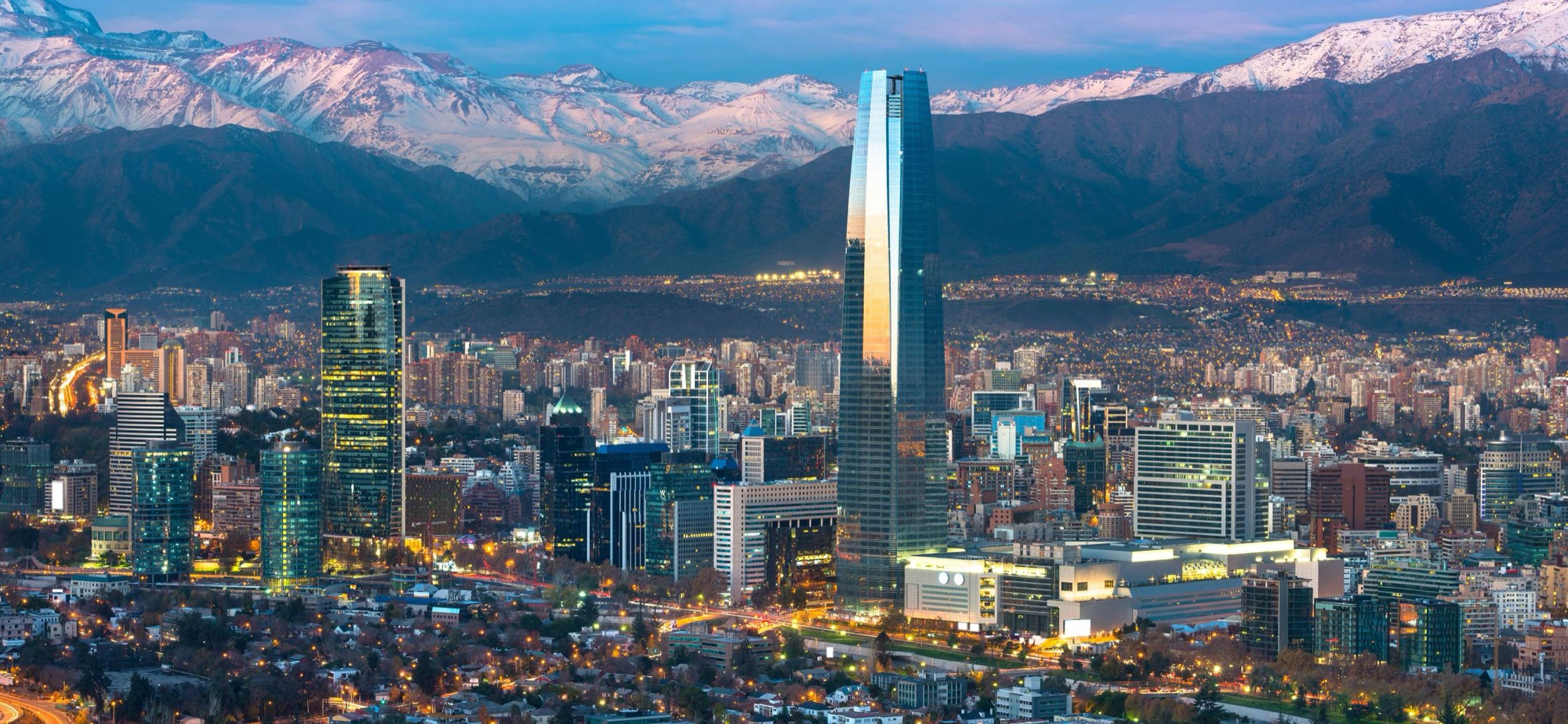
- Chile has its own daylight saving, the opposite way round to Europe's. Santiago is UTC−3 from early September to early April and UTC−4 the rest of the year. In September and October the European day runs from 04:00 to 12:00 there.
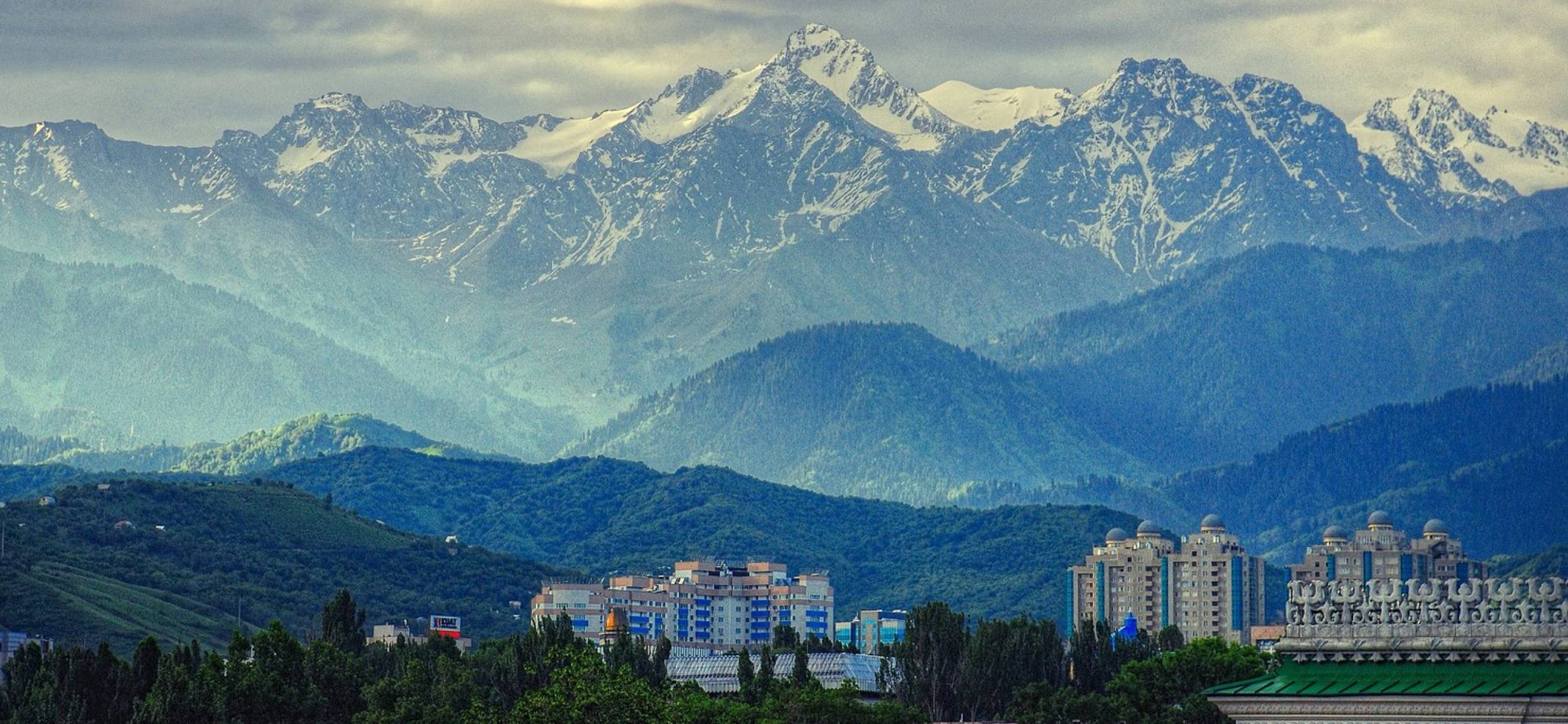
- Kazakhstan moved to a single time zone, UTC+5, in 2024. Older articles and some apps still show Almaty at UTC+6.
Morocco, Tunisia and the UK
Two of the most searched differences are easy to get wrong. Morocco and Tunisia are both on UTC+1 with no daylight saving. In winter they're an hour ahead of London and level with Paris. In summer they're level with London and an hour behind Paris.
If you trade, the London session (roughly 08:00 to 17:00 UK time) is 09:00 to 18:00 in Morocco or Tunisia in winter, and the same as London in summer.
Which time zones work best
On a 09:00 to 17:00 CET day:
- Anywhere from UTC+0 to UTC+3 gives you a normal working day, a few hours either way. Morocco, Turkey and the Balkans are the easiest places outside the EU to keep European hours.
- UTC+4 to UTC+6, the Caucasus and Central Asia, means a late start and a finish in the evening. I found this the sweet spot: a slow morning, and the day done in time for dinner. There's more on that in the Kazakhstan guide.
- UTC+7 and beyond puts most of the day into your evening. It can work, and I've done it for months at a time, but it means restructuring your whole day. I wrote about how in Working European hours in Asia.
- South America works the other way: early starts and free afternoons. Buenos Aires and São Paulo are the gentlest, with the day done by lunchtime in winter.
Places in this piece






More to read
May 2026
Chinamaxxing
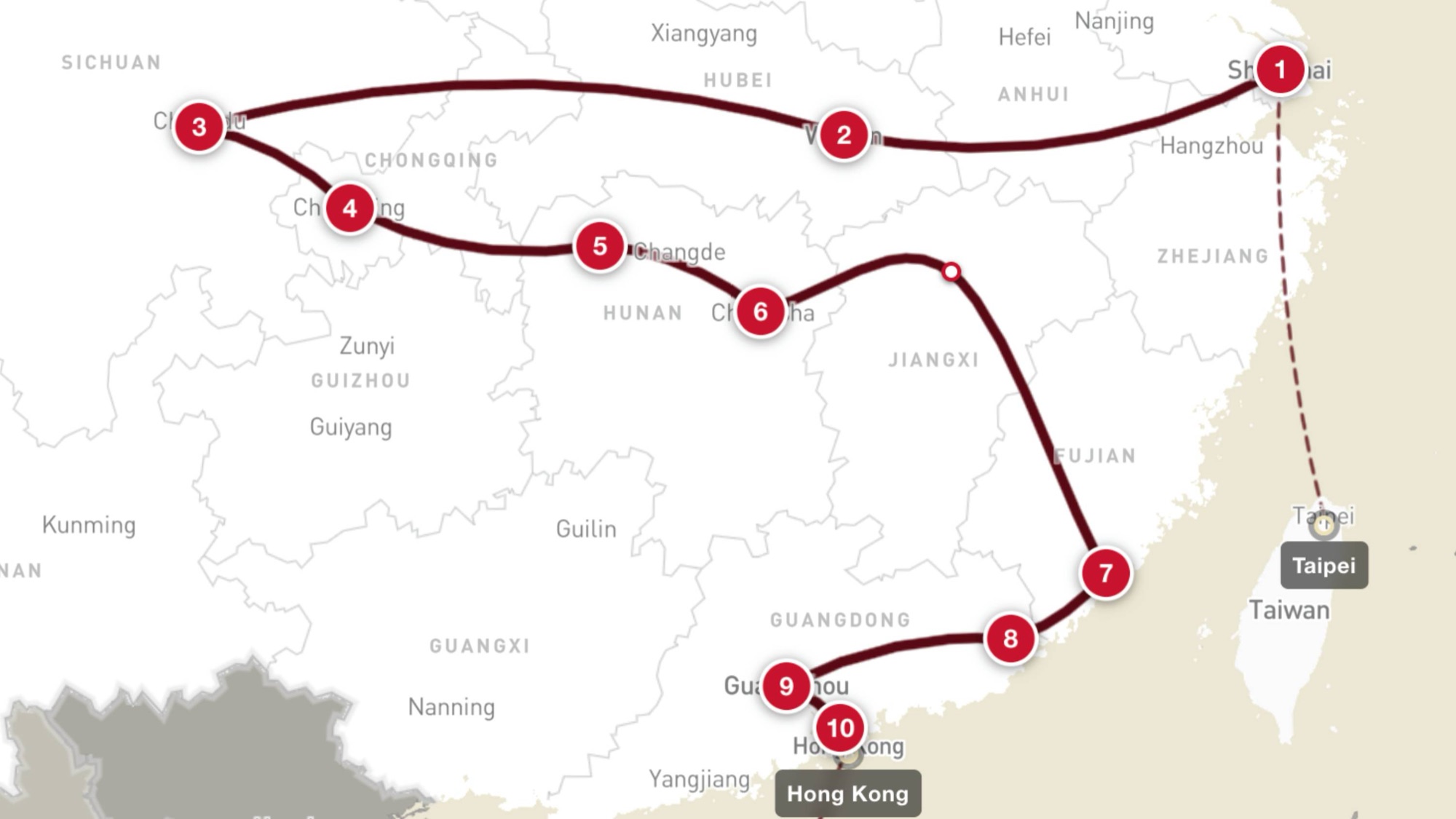
For this trip, the normal playbook was thrown out. For a country this large, settling on any single city for a month-long stay felt like it would fail to give the broad perspective I was seeking.

Feb 2024
Getting the most out of Airbnb
Unless you're lucky enough to own a string of properties across the planet, embarking on a period of remote working is almost certainly going to require heavy use of Airbnb.